Tell us about the job
Takes about a minute. No obligation.
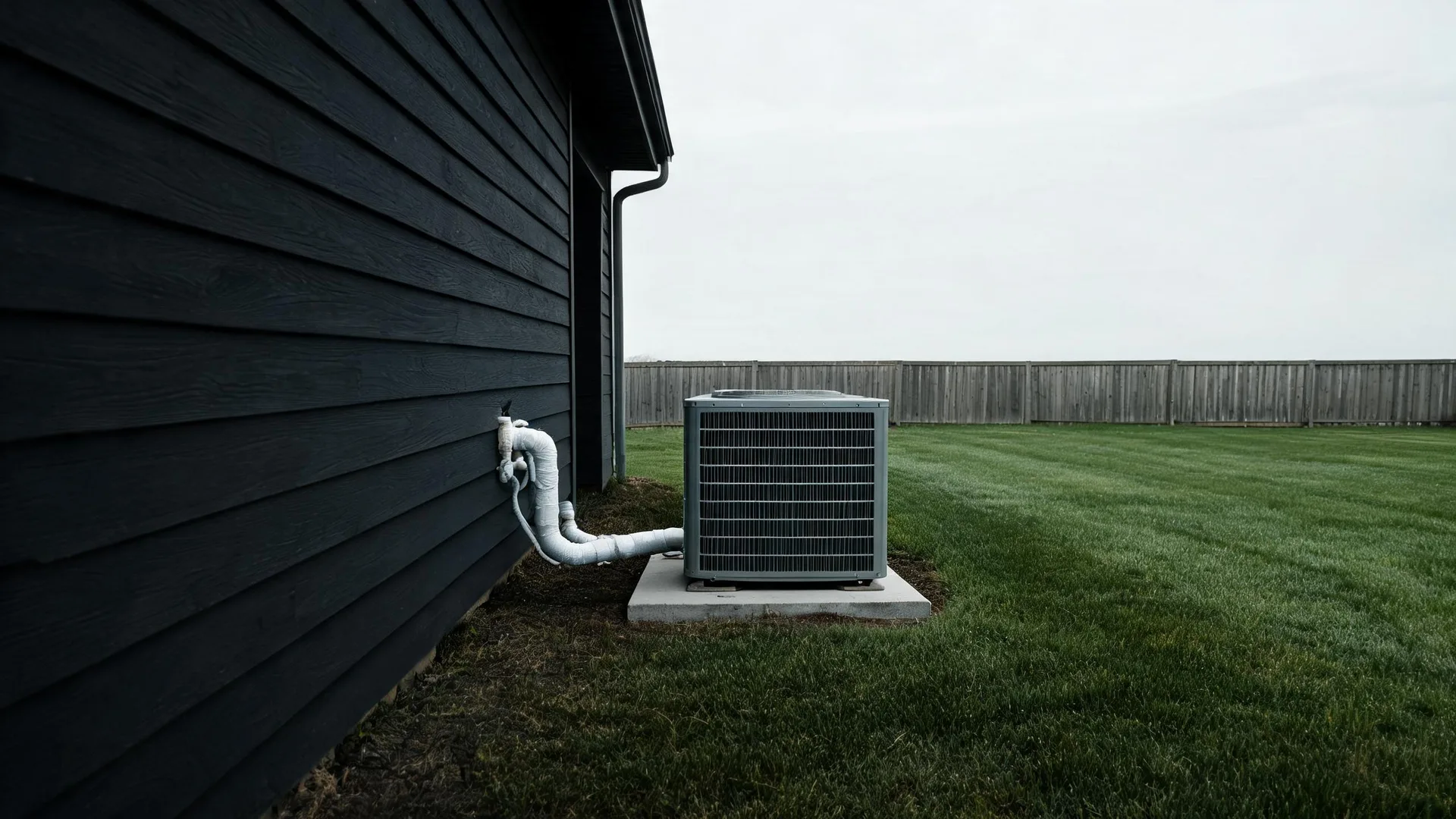
A central AC compressor in Bear Lake County sits off almost every day of the year. Homes in Bear Lake County, ID have essentially no cooling season — no month of the year is warm enough to call for it. Seals dry out during long idle stretches, contactors corrode without regular cycling to keep them clean, and refrigerant leaks that opened during a previous run sit undetected until the first warm day a homeowner actually needs the system. A contractor diagnosing a failed unit here checks those idle-period conditions before drawing any conclusion about the compressor itself.
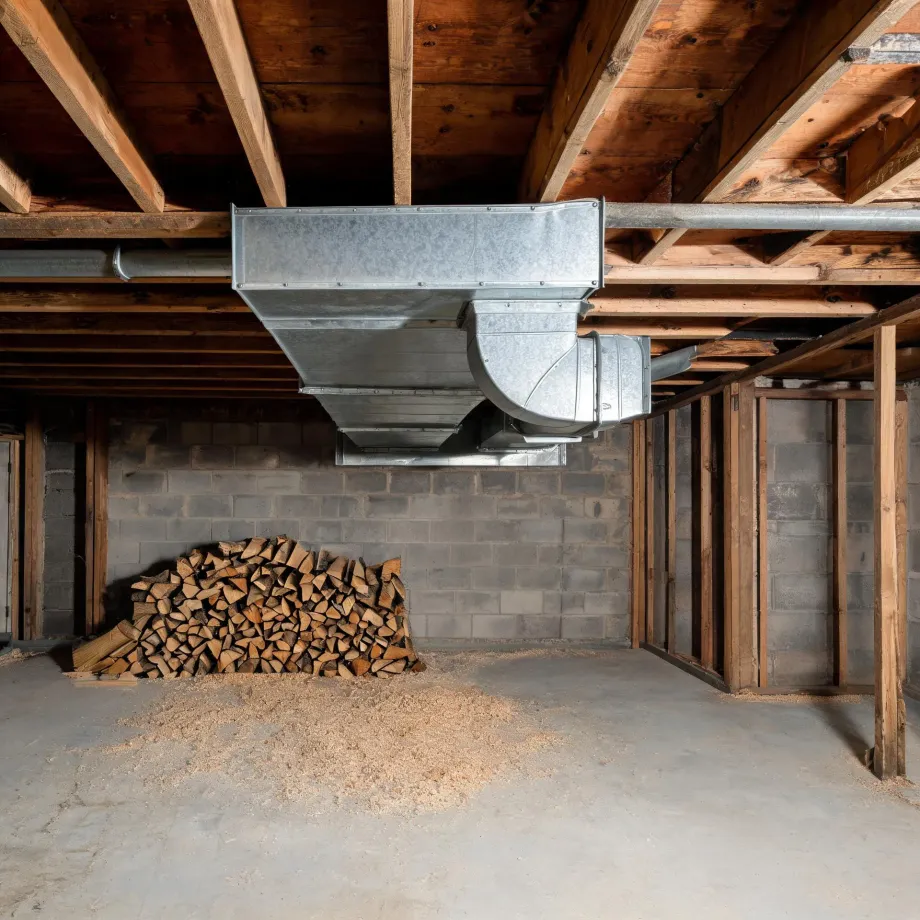
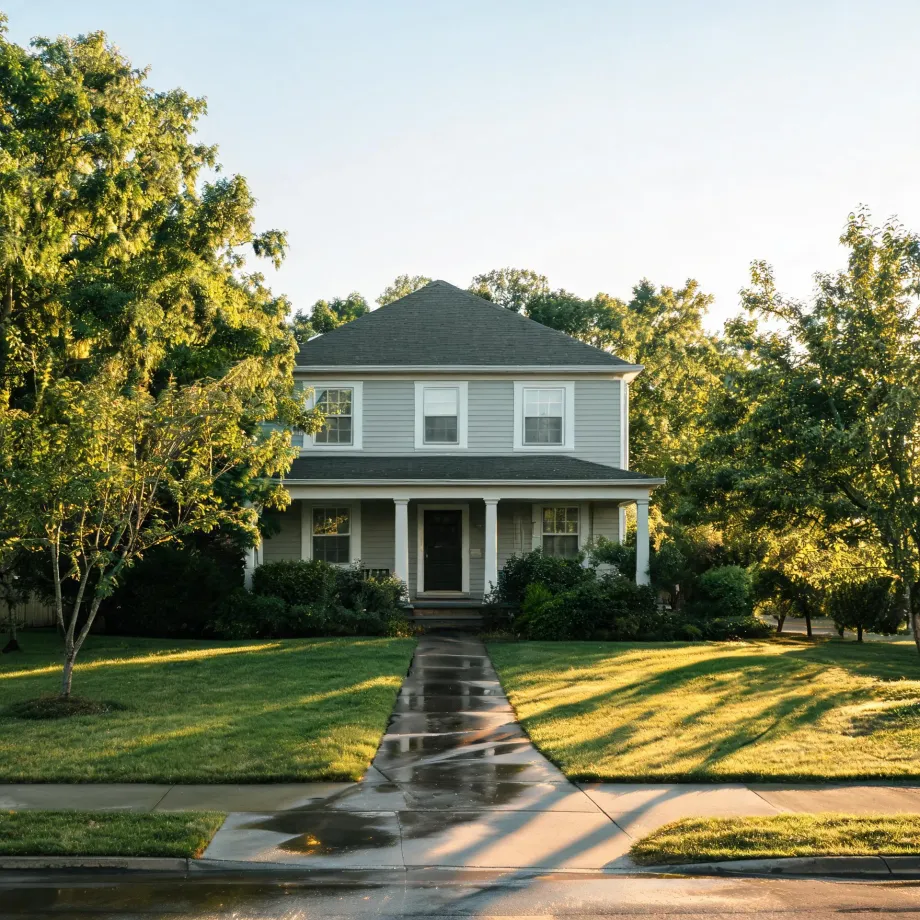
Ductwork laid into a house this old has carried more than one generation of equipment, and what a contractor finds once the system is open reflects that history in specific ways: corroded contacts, worn capacitors, and refrigerant lines that have been touched before. Half the homes in Bear Lake County, Idaho were built in 1974 or earlier (2020-2024 ACS 5-year). For a repair job, that depth of tenure changes the calculus on parts. A contractor pulling a failed component from a system running in stock this old has to establish whether the part is still manufactured, or whether sourcing it means delays and substitutions that shift the repair toward replacement.
The Parts of a Central AC a Contractor Checks First
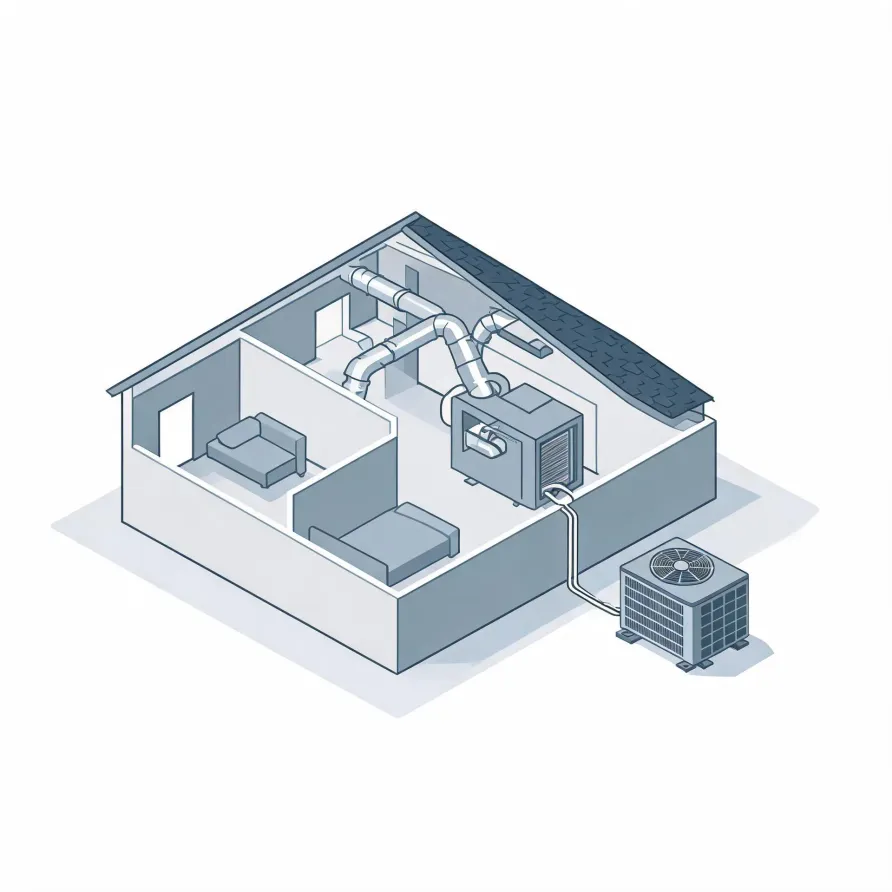
The outdoor condenser unit sits outside the house, usually on a concrete pad beside the foundation, and it holds the compressor and condenser coil. These are the parts a contractor goes to first when a system stops cooling, runs constantly, or makes noise it did not used to make. A failed compressor or a damaged coil is often the reason a system has stopped doing its job.
Inside the house, the air handler or furnace cabinet holds the evaporator coil and the blower. The evaporator coil is a common source of trouble when airflow is weak or ice appears on the unit. The blower motor and the refrigerant lines that run between the two cabinets also fall within what a contractor will inspect and test.
The drawing shows a typical central AC layout, and a licensed contractor determines which parts apply to your specific house and system.
Find a contractor in Bear Lake CountyBear Lake County, Idaho, by the numbers
131 severe weather events were recorded in Bear Lake County, Idaho between 2015 and 2024.
NOAA National Centers for Environmental Information, Storm Events Database, bulk CSV export, events 2015-01-01 through 2024-12-31.Half the homes in Bear Lake County, Idaho were built in 1974 or earlier (2020-2024 ACS 5-year).
U.S. Census Bureau, 2020-2024 American Community Survey 5-Year EstimatesBear Lake County, Idaho holds 4,020 housing units (2020-2024 ACS 5-year).
U.S. Census Bureau, 2020-2024 American Community Survey 5-Year EstimatesOwners occupy 89.5% of the occupied homes in Bear Lake County, Idaho (2020-2024 ACS 5-year).
U.S. Census Bureau, 2020-2024 American Community Survey 5-Year EstimatesRules & Standards Behind Central AC Repair in Bear Lake County, Idaho9 sourced rules and standards
What HVAC Repair Looks Like in Bear Lake County
Split-system central air conditioners rated below 45,000 Btu/h manufactured on or after January 1, 2023 must meet a federal minimum of 13.4 SEER2.
Split-system central air conditioners rated at or above 45,000 Btu/h manufactured on or after January 1, 2023 must meet a federal minimum of 13.4 SEER2.
Split-system central air conditioners manufactured between January 1, 2015 and December 31, 2022 had to meet 13 SEER, the metric that preceded SEER2.
Single-package central air conditioners manufactured on or after January 1, 2023 must meet a federal minimum of 13.4 SEER2.
Space-constrained central air conditioners manufactured on or after January 1, 2023 must meet a federal minimum of 11.7 SEER2.
Federal efficiency standards for split-system central air conditioners and heat pumps are set on each certified combination of outdoor unit and indoor coil rather than on the outdoor unit alone.
Residential and light commercial air conditioning and heat pump systems assembled in the field, including mini-splits and unitary systems, may not be installed on or after January 1, 2025 using a refrigerant with a global warming potential above 700.
A field-assembled system whose specified components were all manufactured or imported before January 1, 2025 carries no installation compliance date under the refrigerant restrictions and may still be installed.
Licensing Rules for HVAC Work in Bear Lake County, Idaho
Idaho requires a state certificate of competency for heating, ventilation and air conditioning work: it is unlawful to engage in the business, trade or practice without passing the examination and holding the certificate.
Severe Weather Events in Bear Lake County
Storms, temperature swings, and hard weather put mechanical stress on central AC systems that steady climates never produce. Repair needs in Bear Lake County reflect what the weather here actually does to equipment over time.
131 severe weather events, 2015–2024. Source: NOAA National Centers for Environmental Information, Storm Events Database.