Tell us about the job
Takes about a minute. No obligation.
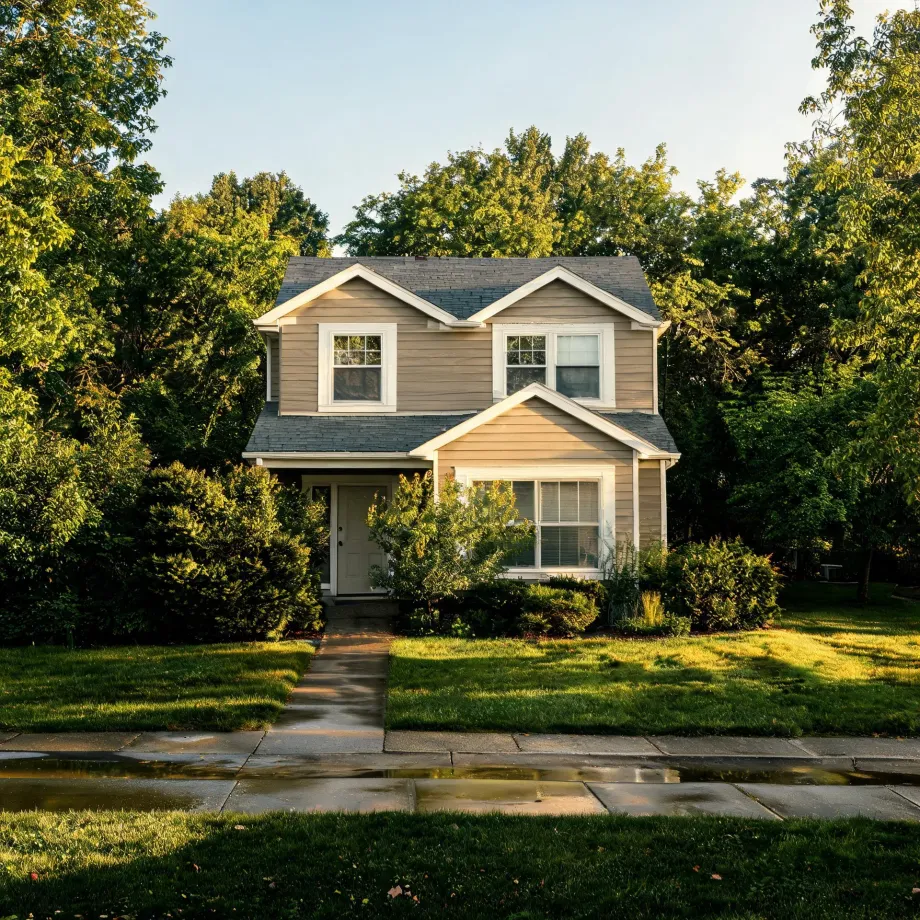
The compressor in a central AC unit here takes its entire annual beating inside a single month. Homes in Jefferson County, ID run cooling in a single month of the year, July. Because the system sits idle for the rest of the year, a refrigerant leak or a failing contactor goes unnoticed until July arrives and the first hot afternoon exposes it. Contractors diagnosing a repair in Jefferson County check the compressor and condenser fan for wear from repeated hard starts, since a short, intense cooling season stresses those parts at startup and shutdown rather than grinding them down slowly over months of continuous run time.
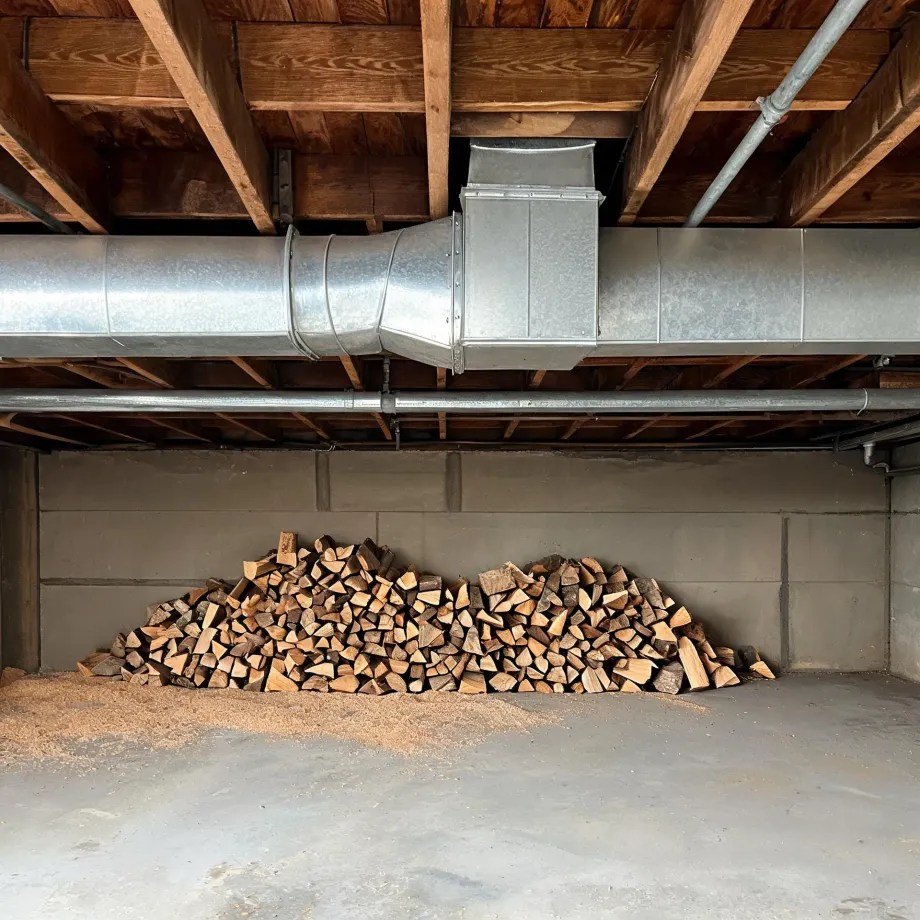
A system running in a house this age often draws on a parts catalog that has quietly narrowed. Half the homes in Jefferson County, Idaho were built in 1994 or earlier (2020-2024 ACS 5-year). When a contractor opens the unit, what determines whether the repair closes in a single visit is whether the components inside still have a supply line. Refrigerant fittings, capacitors, and control boards specific to older equipment can sit on back-order or have left the market entirely, and a quote written before the unit is open is a guess at best.
The Parts of a Central AC a Contractor Checks First
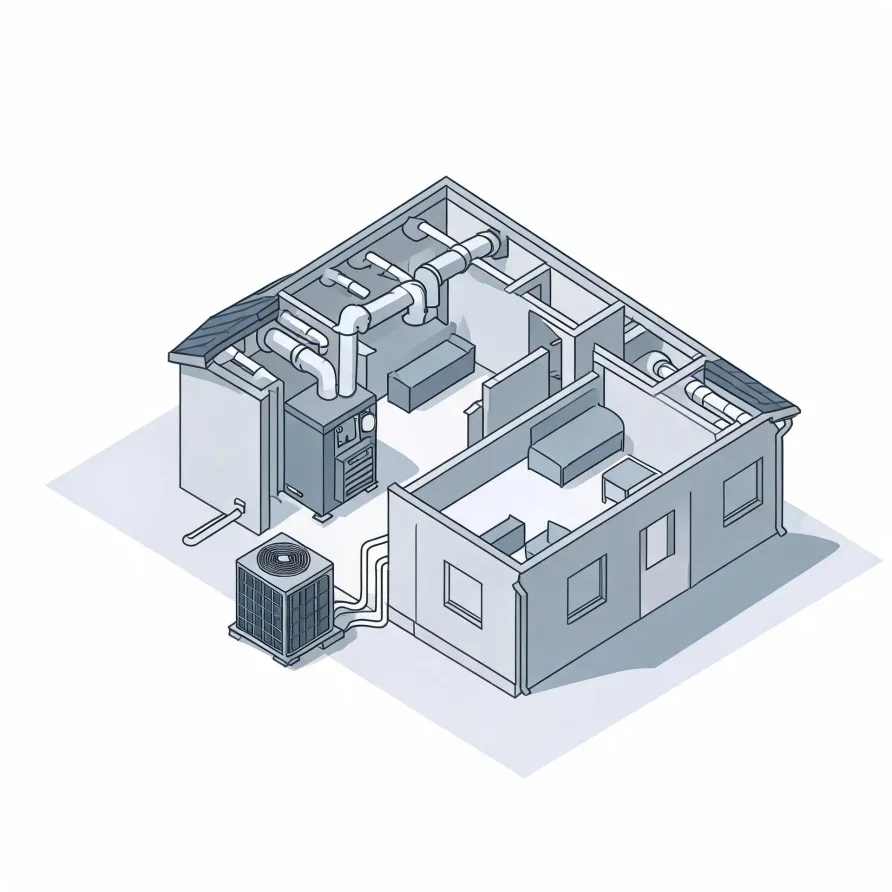
The outdoor condenser unit sits outside the house, usually on a concrete pad against an exterior wall, and it carries the compressor and the condenser coil. These are the first things a contractor looks at, because a failed compressor or a fouled coil accounts for a large share of system failures. Inside, the air handler or furnace cabinet holds the evaporator coil, and a refrigerant problem almost always shows up there.
The refrigerant lines run between the two units, and a contractor checks them for leaks when the system is losing cooling capacity. The expansion valve, which sits at the evaporator coil, and the capacitors and contactor inside the condenser cabinet are smaller parts that fail on their own and are worth inspecting whenever a unit stops starting or cycles off too soon.
The drawing shows the general layout of a central AC system, and a licensed contractor determines which components apply to your particular house.
Find a contractor in Jefferson CountyJefferson County by the numbers
213 severe weather events were recorded in Jefferson County, Idaho between 2015 and 2024.
NOAA National Centers for Environmental Information, Storm Events Database, bulk CSV export, events 2015-01-01 through 2024-12-31.Half the homes in Jefferson County, Idaho were built in 1994 or earlier (2020-2024 ACS 5-year).
U.S. Census Bureau, 2020-2024 American Community Survey 5-Year EstimatesJefferson County, Idaho holds 10,779 housing units (2020-2024 ACS 5-year).
U.S. Census Bureau, 2020-2024 American Community Survey 5-Year EstimatesOwners occupy 83.0% of the occupied homes in Jefferson County, Idaho (2020-2024 ACS 5-year).
U.S. Census Bureau, 2020-2024 American Community Survey 5-Year EstimatesCodes & Standards for Central AC Repair in Jefferson County, Idaho9 sourced rules and standards
What HVAC Repair Looks Like in Jefferson County
Split-system central air conditioners rated below 45,000 Btu/h manufactured on or after January 1, 2023 must meet a federal minimum of 13.4 SEER2.
Split-system central air conditioners rated at or above 45,000 Btu/h manufactured on or after January 1, 2023 must meet a federal minimum of 13.4 SEER2.
Split-system central air conditioners manufactured between January 1, 2015 and December 31, 2022 had to meet 13 SEER, the metric that preceded SEER2.
Single-package central air conditioners manufactured on or after January 1, 2023 must meet a federal minimum of 13.4 SEER2.
Space-constrained central air conditioners manufactured on or after January 1, 2023 must meet a federal minimum of 11.7 SEER2.
Federal efficiency standards for split-system central air conditioners and heat pumps are set on each certified combination of outdoor unit and indoor coil rather than on the outdoor unit alone.
Residential and light commercial air conditioning and heat pump systems assembled in the field, including mini-splits and unitary systems, may not be installed on or after January 1, 2025 using a refrigerant with a global warming potential above 700.
A field-assembled system whose specified components were all manufactured or imported before January 1, 2025 carries no installation compliance date under the refrigerant restrictions and may still be installed.
Licensing and Legal Requirements in Jefferson County, Idaho
Idaho requires a state certificate of competency for heating, ventilation and air conditioning work: it is unlawful to engage in the business, trade or practice without passing the examination and holding the certificate.
Severe Weather Events in Jefferson County
Weather puts hours on HVAC equipment. Every thermal swing, every pressure drop, every power fluctuation that follows a storm adds wear that shows up sooner or later as a repair call, which is why local weather history is part of understanding what the equipment in Jefferson County is up against.
213 severe weather events, 2015–2024. Source: NOAA National Centers for Environmental Information, Storm Events Database.