
Idaho AC Install
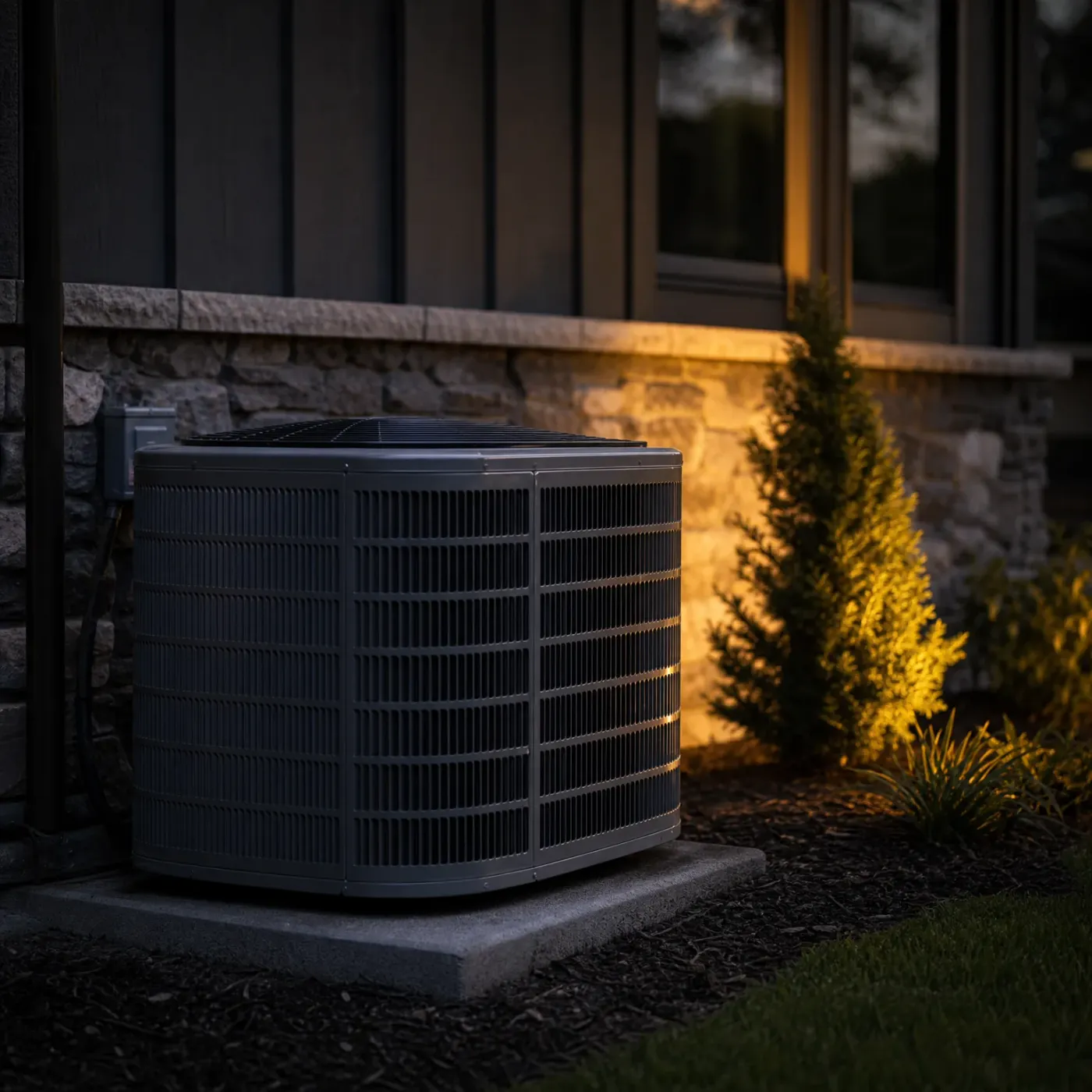
An outdoor air conditioning condenser unit on a concrete pad beside a house with stone veneer and vertical board siding, with a small shrub and mulch bed lit by a ground light at dusk.

Send one request and you're done looking

Do you need a dehumidifier with AC in Idaho

Idaho air is dry, so your AC isn't fighting the moisture that homes in muggy states deal with all summer. Whether you still need a dehumidifier depends on your house and how your AC is already handling what humidity shows up. This page walks through that, and if you want a second opinion, a local contractor can take a look and tell you straight.

Let a pro reach out

No, most homes in Idaho don't need one. Your air conditioner already pulls moisture out of the air as it cools, and because Idaho air starts out dry, there's rarely enough humidity left for that to matter. An AC sized right for your house will keep indoor humidity in a comfortable range on its own through a normal summer. Where a dehumidifier earns its place is narrower: a basement that stays damp, a bathroom or laundry area that doesn't vent well, or a house near a river or irrigated farmland where the air carries more moisture than the rest of the state. If none of that describes your house, the fix for a sticky room is usually something with your AC itself, like a unit that's undersized or losing refrigerant, not an extra machine. A contractor who works on Idaho systems every summer can tell you which one you're dealing with.

An outdoor air conditioning condenser unit on a concrete pad beside a house with horizontal lap siding, with an electrical disconnect box and conduit on the wall and a green shrub to the right.

An AC that's keeping up

This is what a system handling Idaho's dry heat looks like. The condenser sits clean on its pad, the disconnect box and wiring intact, nothing blocking airflow around it. A unit running like this pulls out what little moisture the air has without any help needed.


An outdoor air conditioner condenser unit on a concrete pad beside a house with horizontal siding and a lower concrete foundation wall, with coiled refrigerant lines at right.

An AC that's falling behind

Dirt caked on the louvered panels and fan grille blocks airflow across the coil. A condenser working this hard to move air cools less efficiently, and that means less moisture pulled out too. That's a maintenance problem, not a reason to add a dehumidifier.

Skip It or Add One

Skip the dehumidifier

  • Your AC already removes moisture as it cools, and Idaho air doesn't carry much to begin with.
  • A system sized correctly for your square footage will keep indoor humidity in a comfortable range on its own.
  • Running a separate dehumidifier alongside an AC that's already handling the load just adds another appliance drawing power for no real gain.
  • If your house stays comfortable through July and August without a musty or sticky feel, the AC is doing its job.

Add one anyway

  • A basement or crawlspace can hold damp air that never reaches the AC's return duct, so the system never gets the chance to dry it out.
  • An oversized AC cools the air fast and shuts off before it's run long enough to pull out much moisture, leaving the space feeling clammy despite the cool temperature.
  • A finished basement used as a bedroom or office needs its own humidity check, since it's often cut off from the main return.
  • If you're seeing condensation on windows or a musty smell in one part of the house, that's a local problem a whole-house AC won't fix.
A gray-haired man in a dark sweater sits on a light gray sofa in a living room, looking toward a sunlit window with trees outside.
A gray-haired man in a dark blue sweater sits on a light gray sofa in a sunlit living room, looking off to the side, with a potted plant, shelving unit, and large glass doors behind him.
A bearded man with graying hair in a dark green sweater sits on a sofa in a living room, looking off to the side, with a sliding glass door and a dim kitchen doorway behind him.
A gray-haired man in a dark knit sweater sits on a light gray sofa in a living room, looking toward a sunlit window, with houseplants, a lamp, and framed art in the background.

Does your house feel sticky even with the AC running

If your AC is sized and working right, you shouldn't feel any dampness indoors, even in July. What you're more likely to notice in Idaho is the opposite: dry air that makes your skin or sinuses feel parched, especially once the furnace takes over in the fall. If a room does feel clammy or the windows fog up on a hot afternoon, that's usually a sign the AC itself isn't pulling its weight, not that the air needs a separate dehumidifier. A system that's low on refrigerant or undersized for the space won't remove moisture the way it should, and left alone that can mean a musty smell or soft, damp spots near vents and windowsills.

A gray outdoor air conditioning condenser unit on a concrete pad beside a house with horizontal lap siding, with a wall-mounted electrical disconnect box and refrigerant lines, shrubs, mulch and lawn around it.

A unit worth trusting

This condenser sits clean on its pad, fins clear, wiring intact at the disconnect box. Nothing crowds it, so it can pull the heat out of your house the way it was built to. A unit like this is also pulling out what moisture Idaho's air does carry, which is why most homes here never need a separate dehumidifier.

An outdoor air conditioner condenser unit on a concrete pad beside a house wall with stucco lower section, horizontal siding above, and a white downspout to the right.

A unit falling behind

Grime has built up across the fins on this one, thick enough to choke the airflow it needs. A condenser caked like this can't cool the way it should, and it can't pull moisture out of the air either. That's when a house starts to feel sticky, not because Idaho's air is humid, but because the AC can't keep up anymore.

An outdoor air conditioning condenser unit on a concrete pad beside a house with light vinyl siding, with electrical conduit running to a wall-mounted disconnect box and a shrub in mulch to the right.
Before you get your air conditioner installation
A gray outdoor air conditioning condenser unit on a composite pad beside a house with horizontal lap siding, with a wall-mounted disconnect box, refrigerant lines, and a wooden fence and shrubs to the left.
After you get your air conditioner installation

Finding a pro stops being your job

One installer gets your project, so there's no bidding war over it.

You only hire the pro if you want to.

An air conditioner cools by pulling air across a cold coil, and moisture collects on that coil whether the air is humid or not. That part of the job never stops.

What changes is how much moisture is there to begin with. Idaho's dry air gives the coil little to collect, so a properly sized system clears it without any help from a dehumidifier.

Power costs 11.83 cents per kilowatt-hour statewide

At 11.83 cents a kilowatt-hour, running your AC in Idaho costs less than it would in most states. That's one more reason not to bother with a dehumidifier: you'd be paying to run a second appliance your dry air doesn't need.

EIA-861 2025 statewide residential average

When a dehumidifier does make sense

A finished basement is the one place in an Idaho house where this can turn around. Basements stay cooler than the rest of the house, and that cool air holds less moisture before it starts to feel damp. If yours runs musty in summer even with the AC on, or you see condensation on the windows or a damp smell in the carpet, that's a basement issue, not a sign your air conditioner is undersized. A small dehumidifier down there solves it without you needing to do anything to the AC itself. It's a narrow case, but it's real, and it's the one worth checking for before you decide you don't need one at all.

What a qualified installer checks instead

If your AC is struggling to keep the house comfortable, the fix is almost never a dehumidifier. A licensed installer will check whether the system is sized to your square footage, whether the coil is clean enough to pull heat and moisture the way it should, and whether airflow through your ducts is doing its part. Get someone local who installs and services this equipment every summer in Idaho's climate, not a general contractor guessing at it. They've seen what actually fails in homes like yours and what doesn't. Send in the details once, and one qualified contractor takes it from there. You're not fielding calls from three companies trying to sell you an add-on you don't need.

A middle-aged woman with shoulder-length dark hair, wearing a gray cardigan over a cream top, sits in an upholstered armchair and looks toward a sunlit window, with a shelf holding framed pictures and a plant behind her.
A woman and a child wrapped together in a thick knitted blanket on a sofa, both with eyes closed, with a lit table lamp and houseplant in the dim background.

Where that leaves you

  • For most Idaho homes, a correctly sized air conditioner handles whatever humidity shows up on its own.
  • A finished basement with musty smells or damp windows is the main exception worth a second look.
  • Sizing and installation matter more here than any humidity add-on, since a unit that's too big or poorly installed won't dehumidify well either way.
  • A local contractor who installs AC systems in Idaho every summer knows which homes actually need a dehumidifier and which don't.
  • Working with one licensed local contractor means a straight answer about your house, not a sales pitch for equipment you don't need.
  • If your AC is already keeping your house comfortable, that's the sign to trust, not a worry about missing a dehumidifier.

Idaho's dry air does most of the work your AC would otherwise need help with. A unit that's sized right for your house and installed well will keep indoor humidity comfortable through the summer without any extra equipment. The one place worth checking twice is a finished basement, where cooler air and less airflow can let dampness build up even when the rest of the house is fine. Outside of that, a dehumidifier is usually solving a problem your house doesn't have.

What matters more than any add-on is getting the install right in the first place. A system that's too big for the space will cycle on and off before it ever pulls real moisture out of the air, and one that's installed poorly won't perform the way it's rated to, no matter how good the equipment is. That's a sizing and installation question, not a humidity question, and it's the kind of thing a contractor who works on homes in your area every summer has seen enough times to spot quickly. Someone local who installs these systems season after season knows which houses in Idaho actually run into humidity trouble and which ones never will.

Working with one licensed local contractor means you get a straight read on your specific house, not a general pitch toward equipment you don't need. If your AC is already keeping things comfortable, that's the thing to trust.

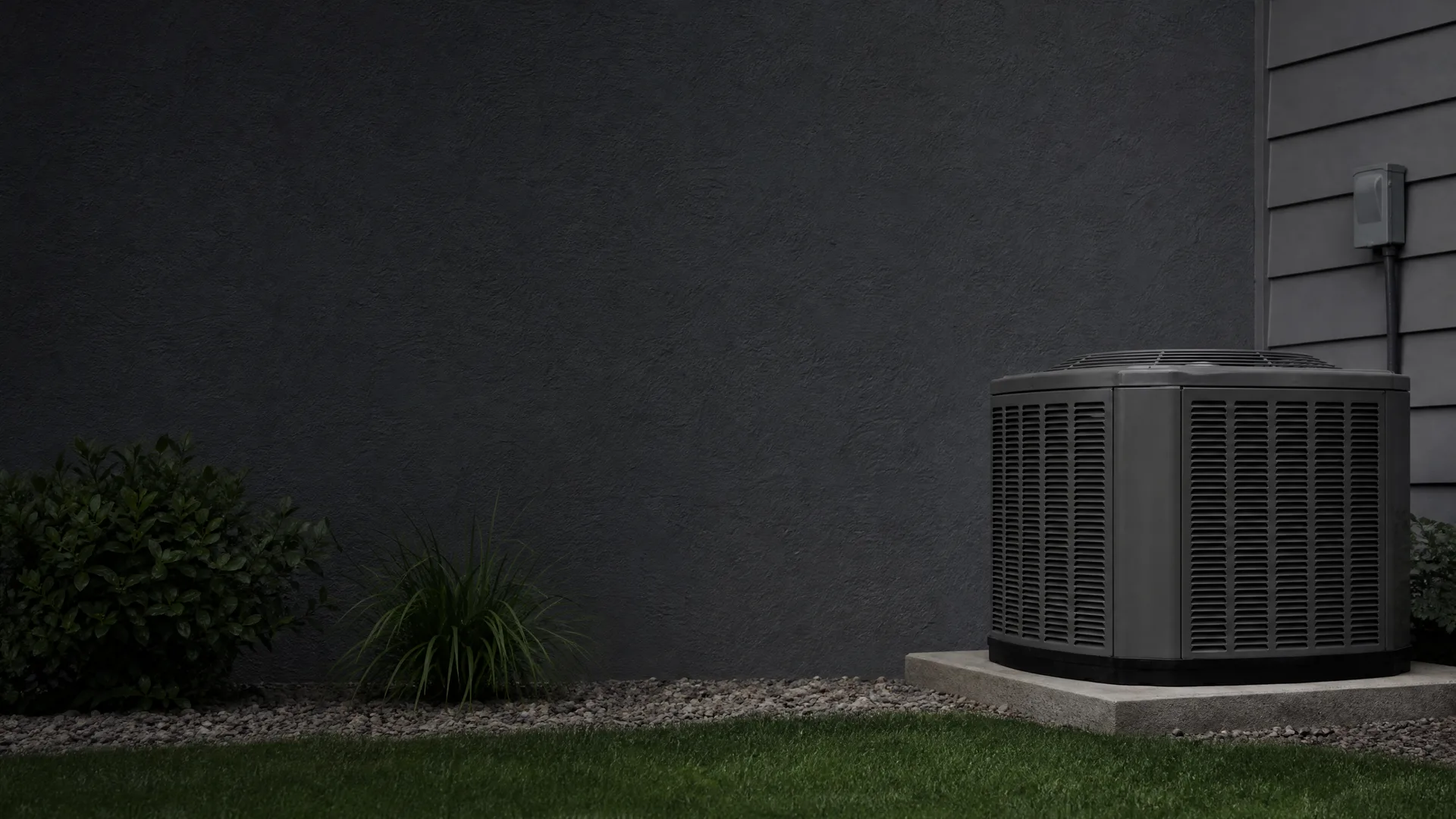
An outdoor air conditioning condenser unit on a concrete pad beside a dark stucco wall, with gravel bedding, shrubs, an ornamental grass clump, and a lawn in the foreground.

Let someone else find the pro

Your request stays with one local pro.

Step 1 of 3: Equipment