
How to get your AC ready for an Idaho summer
Getting your AC ready for an Idaho summer means having it checked before the heat sets in, usually sometime in spring. Idaho summers run hot and dry, and your air conditioner has to pull that heat out of the house for months at a stretch without a break. A unit that sat idle all winter can have a dirty coil, a low refrigerant charge, or a weak capacitor, any of which makes it work harder than it should and fall behind once the temperature climbs. A contractor checks the refrigerant level, cleans the coil, tests the capacitor and the fan motor, and makes sure the system is actually pulling the amps it's supposed to. Catching a weak part in April costs you a service call. Finding it in July costs you a dead AC on the hottest day of the year, with everyone else calling for the same thing. A spring check is how you stay ahead of that.


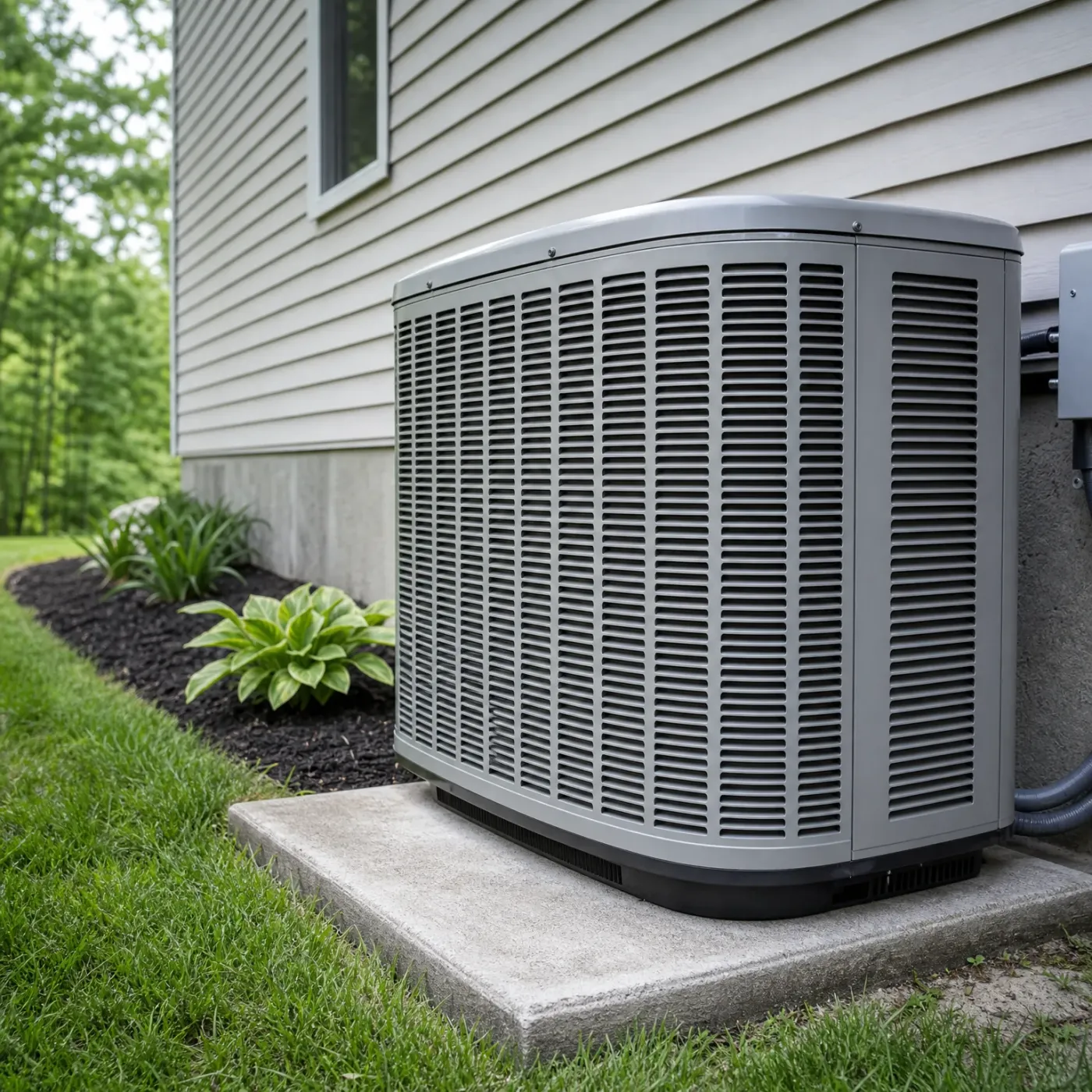
A maintenance visit follows a set order, and each step catches something different. Refrigerant charge comes first, since Idaho's dry heat exposes a low charge fast, usually as weak cooling right when you need it most. Outside, the condenser coil gets cleared of dust and cottonwood seed so the compressor isn't fighting a blocked coil to push heat out of the house. The capacitor gets tested under load rather than just looked at, because a weak one can still start the compressor in May and quit in July. At the disconnect box and contactor, connections get checked and tightened, since a loose connection arcs under the steady draw of a system running daily for months. Inside, the evaporator coil and blower wheel get checked too. A dusty coil can't pull heat out of the air as well, and that shows up as a house that takes longer to cool. Last comes the condensate drain, flushed clear of the algae and dust that settle in over a dry winter, before the line has to carry water every day again.
What Maintenance Actually Checks
- A technician checks refrigerant charge, since Idaho's dry heat means low refrigerant shows up fast as weak cooling on the hottest days.
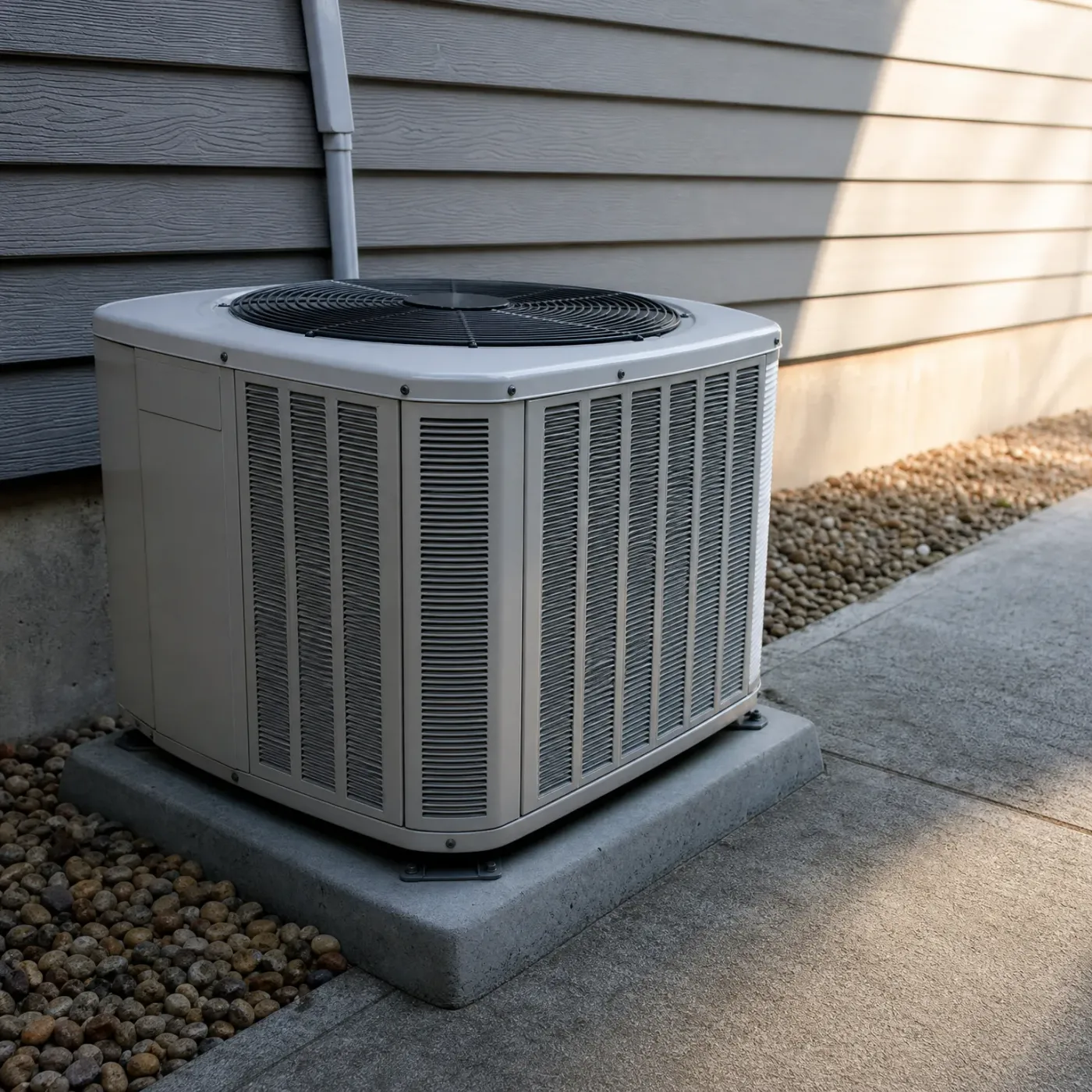
- The condenser coil outside gets cleaned of dust and cottonwood seed, since a blocked coil makes the compressor work harder to dump heat.
- The capacitor gets tested under load, since a weak one lets the compressor start hard all summer and fail without warning in July.
- Electrical connections get tightened at the disconnect box and contactor, since loose connections arc and burn under the steady draw of a long cooling run.
- The evaporator coil and blower wheel get checked for dust, since a dirty coil can't absorb heat as well and cuts how much the house cools per hour.
- The condensate drain gets flushed, since algae and dust build up over a dry winter and can clog the line once the system starts running daily.




One request and it's handed off
A licensed local pro takes the request for your air conditioner tune-up.
Send the form and the air conditioner tune-up stops being something to remember.
Asking costs nothing, and the choice to hire stays yours.
Tune-Up Now or Risk It This Summer
Spring tune-up
- A technician catches a weak capacitor or a low charge in April, before it leaves you without cooling in July.
- Your system runs at the charge and airflow it was built for, so it doesn't work harder than it has to through a long dry summer.
- If a part is wearing out, you find out while parts and scheduling are easy to come by, not during the first heat wave.
- The outdoor coil gets cleared of dust and cottonwood seed before it's caked on from months of running.
- You get the appointment on your schedule, not squeezed in between emergency calls.
Wait and see
- The first real test of your AC is the first hot week, and that's also when every other AC in the area is tested the same way.
- A failing capacitor or a dirty coil usually gets worse under load, so a small problem in May can be a no-cool call in August.
- If the system does fail, you're calling around during the busiest stretch of the year for contractors who work on AC.
- Idaho's heat is dry, so a system low on refrigerant or short on airflow still runs, it just cools less, and that can go unnoticed for weeks.
- A system that's never checked keeps running on whatever charge and airflow it has, for better or worse, all summer long.




Power costs 11.83 cents per kilowatt-hour statewide
At 11.83 cents a kilowatt-hour, running your AC through a long Idaho summer doesn't hit as hard as it would in most states. That's worth protecting. A dirty coil or low charge makes the compressor work harder for the same cooling, and you pay for that extra work even at this rate.
EIA-861 2025 statewide residential average
Getting Ready, Start to Finish
- A spring check before the heat sets in finds a weak capacitor or a low charge while there's still time to fix it.
- Idaho's dry heat makes a dirty coil or low refrigerant show up fast as weak cooling once summer hits.
- A technician who works this equipment every season in your area knows which parts tend to fail first.
- You're matched with one licensed, local contractor, so you're not fielding calls from several companies at once.
- A system that's been checked runs at the charge and airflow it was built for through the whole summer.
- Once the form is in, finding that contractor stops being something you have to sort out yourself.
Getting your AC ready for an Idaho summer comes down to one visit, done before the heat sets in. A technician checks the charge, cleans the coil, and catches the small failures while they're still small. That's the whole job. Idaho's dry air doesn't forgive a weak system the way a humid climate might; low refrigerant or a clogged coil shows up as weak cooling the first hot week, not months later. Catching it in spring means it gets fixed on your schedule, not during a July heat wave.
Who does that work matters too. The contractor you get through this page is licensed, local, and familiar with this equipment because it's what they work on all season in your area. They've seen which capacitors fail first, which coils clog fastest with cottonwood seed, which systems run low on charge by the time summer hits. That's not a guess on their part. It's the pattern they see every spring in homes like yours.
You're also only dealing with one contractor, not a handful of companies competing for your callback. One match, one point of contact, no sorting through bids or fielding calls you didn't ask for.
Once you send the form, the rest isn't on you anymore. Finding someone qualified, checking that they're local, making sure they know this equipment: that's handled. You get the relief of knowing it's moving without having to push it yourself. Your system gets checked, your summer gets easier, and the part that used to be your job isn't anymore.
Done looking for an air conditioner pro
Your request stays with one local pro.
No fee to send it, and nothing to sign.