Tell us about the job
Takes about a minute. No obligation.
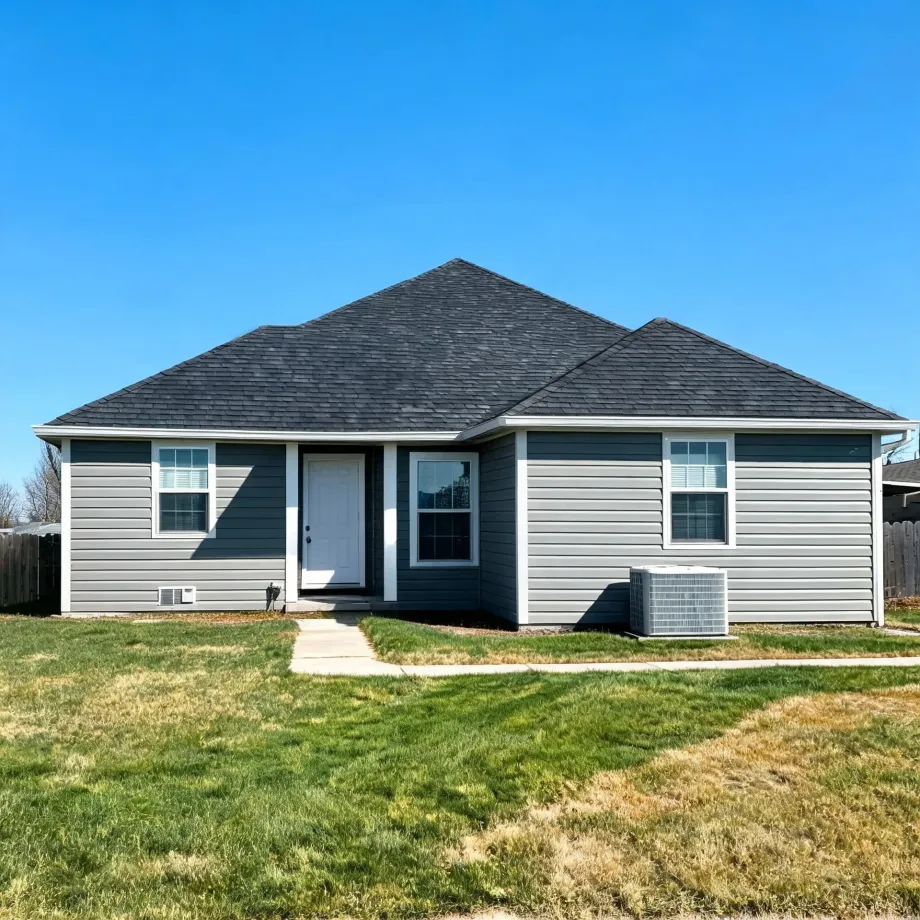
A compressor that failed in Minidoka County almost certainly wore through its contactor or capacitor during active cycling, not during the long months it sat idle. Homes in Minidoka County, ID run cooling about two months a year, from July through August. Faults that develop at the end of one cooling season go undetected through fall, winter, and spring, so a contractor arriving at a first-call repair in July is often looking at damage that is nearly a year old. That history shapes the diagnosis: a contractor checks the contactor, the capacitor, and the refrigerant charge before anything else, because those are the components the short, hard cycling season stresses most.
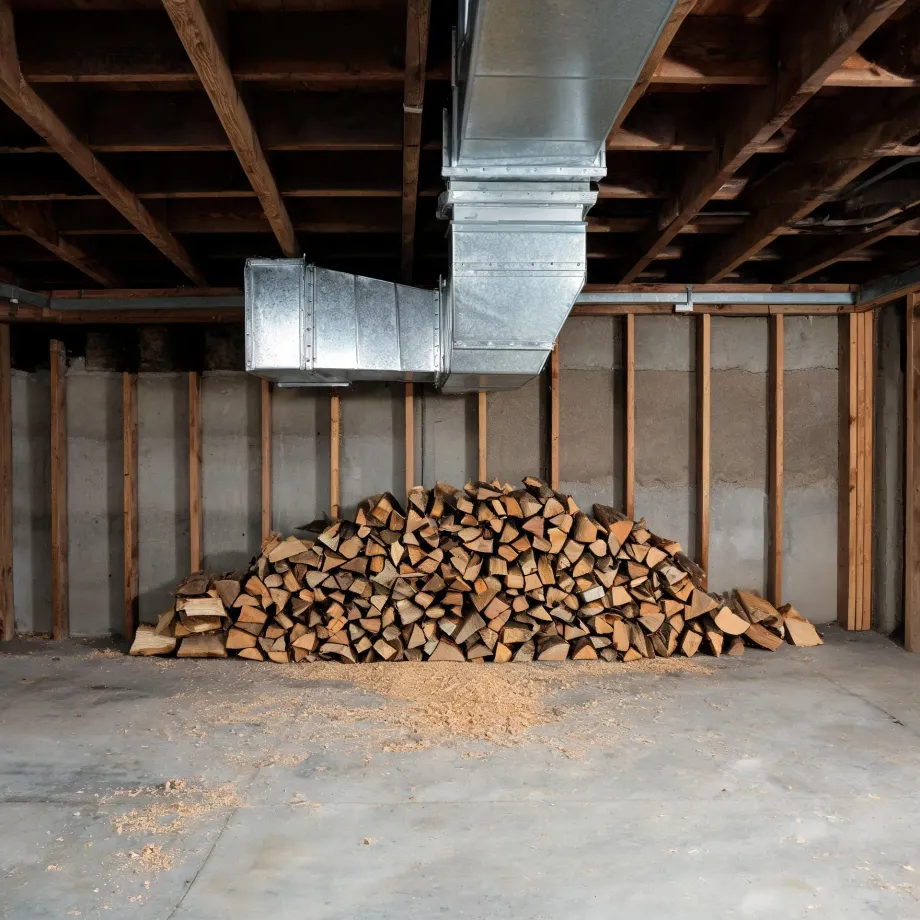
Ductwork routed for an older system and then adapted for something newer carries its history in ways that only show up once a contractor opens the equipment and traces the problem back. Half the homes in Minidoka County, Idaho were built in 1976 or earlier (2020-2024 ACS 5-year). That generation of housing infrastructure was put in for something different from what runs through it now, which means a repair that looks like a straightforward component swap can turn into a search for parts that fit what the house actually has rather than what a current parts catalog lists.
The Parts of a Central AC a Contractor Checks First
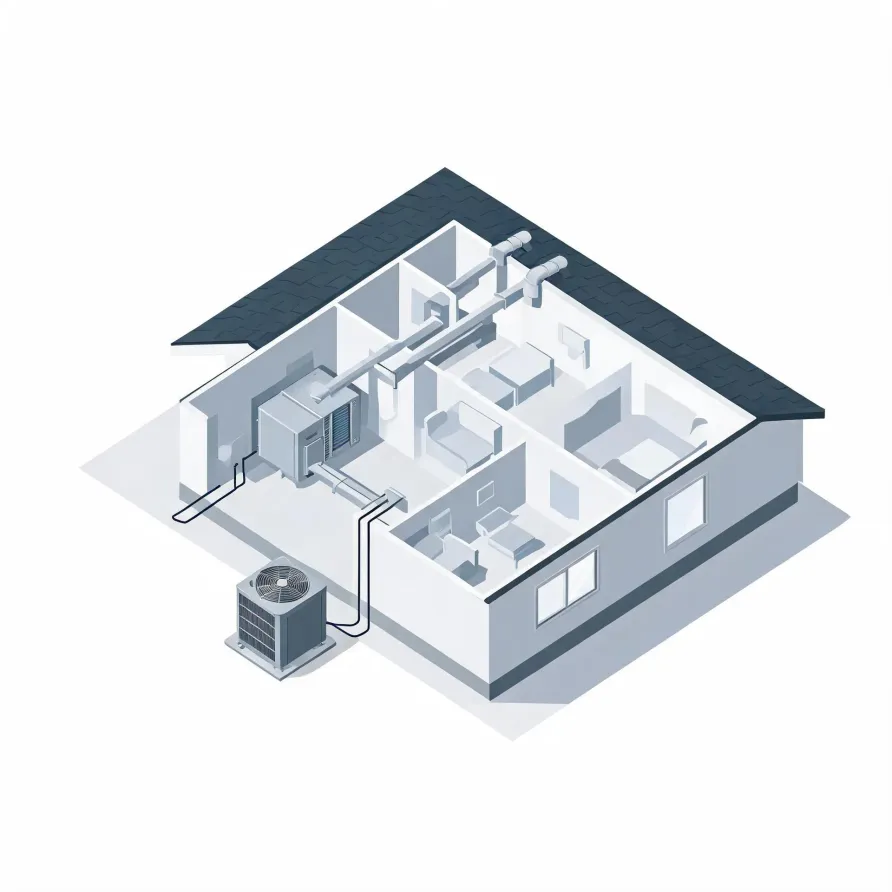
The outdoor condenser unit sits outside the house, usually on a concrete pad at ground level, and it carries the compressor and the condenser coil. These are where a contractor starts when a system stops cooling. A failed compressor or a damaged coil shows up fast in a diagnosis.
Inside the house, the air handler holds the evaporator coil and the blower fan, sitting in a utility closet, basement, or attic. A clogged or frozen evaporator coil and a failing blower are common sources of weak airflow or warm air. The refrigerant lines that run between the two units and the expansion valve that meters refrigerant flow are also on a contractor's checklist.
The drawing shows a typical layout, and a licensed contractor determines which components apply to your specific system and home.
Find a contractor in Minidoka CountyMinidoka County by the numbers
77 severe weather events were recorded in Minidoka County, Idaho between 2015 and 2024.
NOAA National Centers for Environmental Information, Storm Events Database, bulk CSV export, events 2015-01-01 through 2024-12-31.Half the homes in Minidoka County, Idaho were built in 1976 or earlier (2020-2024 ACS 5-year).
U.S. Census Bureau, 2020-2024 American Community Survey 5-Year EstimatesMinidoka County, Idaho holds 8,644 housing units (2020-2024 ACS 5-year).
U.S. Census Bureau, 2020-2024 American Community Survey 5-Year EstimatesOwners occupy 69.2% of the occupied homes in Minidoka County, Idaho (2020-2024 ACS 5-year).
U.S. Census Bureau, 2020-2024 American Community Survey 5-Year EstimatesCodes & Standards Covering Central AC Repair in Minidoka County, Idaho9 sourced rules and standards
What Happens When the Contractor Shows Up
Split-system central air conditioners rated below 45,000 Btu/h manufactured on or after January 1, 2023 must meet a federal minimum of 13.4 SEER2.
Split-system central air conditioners rated at or above 45,000 Btu/h manufactured on or after January 1, 2023 must meet a federal minimum of 13.4 SEER2.
Split-system central air conditioners manufactured between January 1, 2015 and December 31, 2022 had to meet 13 SEER, the metric that preceded SEER2.
Single-package central air conditioners manufactured on or after January 1, 2023 must meet a federal minimum of 13.4 SEER2.
Space-constrained central air conditioners manufactured on or after January 1, 2023 must meet a federal minimum of 11.7 SEER2.
Federal efficiency standards for split-system central air conditioners and heat pumps are set on each certified combination of outdoor unit and indoor coil rather than on the outdoor unit alone.
Residential and light commercial air conditioning and heat pump systems assembled in the field, including mini-splits and unitary systems, may not be installed on or after January 1, 2025 using a refrigerant with a global warming potential above 700.
A field-assembled system whose specified components were all manufactured or imported before January 1, 2025 carries no installation compliance date under the refrigerant restrictions and may still be installed.
Contractor Rules in Minidoka County, Idaho
Idaho requires a state certificate of competency for heating, ventilation and air conditioning work: it is unlawful to engage in the business, trade or practice without passing the examination and holding the certificate.
Severe Weather Events in Minidoka County
Weather puts a measurable load on cooling equipment, and that load shapes how hard a system has to work and how quickly its parts wear. Repair needs in Minidoka County are tied to what the local climate actually does, which is why the record below matters for anyone thinking about AC service here.
77 severe weather events, 2015–2024. Source: NOAA National Centers for Environmental Information, Storm Events Database.